| By Miles Hubbard | Social media has emerged as an influential force shaping how individuals perceive themselves and interact with the world, igniting discourse on self-identity in the digital era.

| By Miles Hubbard | Social media has emerged as an influential force shaping how individuals perceive themselves and interact with the world, igniting discourse on self-identity in the digital era.

| By Eliana Pisons | The EU’s upcoming AI Act aims to create global standards for ethical AI development and deployment, establishing legislation as a potential benchmark for AI governance worldwide.

| By Uday Annavarapu | The Zero Trust Security Model challenges traditional network security, employing “never trust, always verify” to bolster defenses against both external and internal threats in an evolving digital landscape.


| By Josie Koehler | The European Union Council approved a digital identity initiative to create an EU Digital Identity Wallet (EDIW) enabling identity verification and document sharing via smartphones.

| By Loc Le | The EU opened an investigation into TikTok, the social media platform owned by Chinese internet technology company, ByteDance, for potentially breaching the Digital Services Act.

TikTok is taking action to promote the app’s trust and credibility amidst US and EU election year scrutiny of disinformation and data privacy on social media.

| By Loc Le | President Biden signed an executive order on October 30th, creating new standards for AI safety, security, and privacy.

| By Eliana Pisons | Police worldwide are increasingly relying on AI to enhance security. However, challenges remain in improving AI accuracy while ensuring privacy protections.
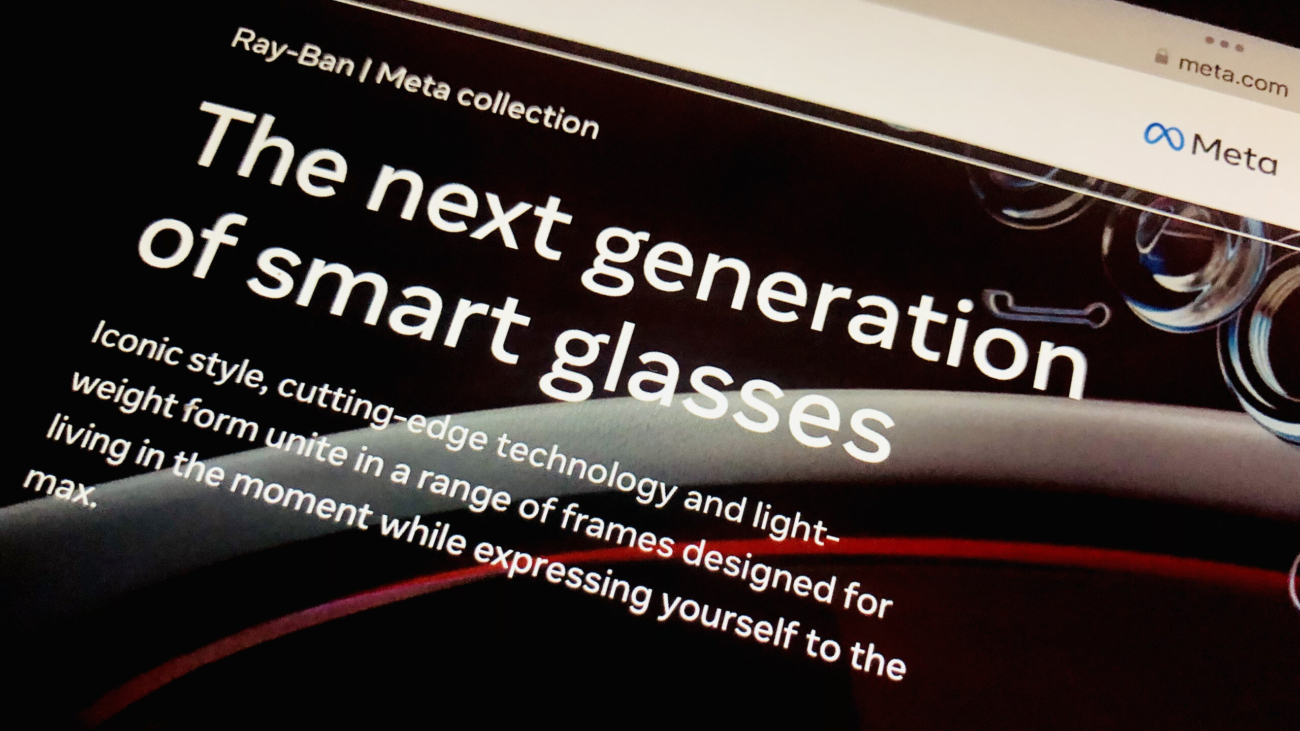
| By Loc Le | Meta CEO Mark Zuckerberg announced his team’s latest AI tech innovations that enable new capabilities for users — but also raise questions and concerns about privacy and transparency.